
Category

Travel Tips

Category

13 Italian Cultural Habits…and 7 Habits Foreign Tourists Don’t Understand


 Italian Cultural Habits. Some things you just need to know.

Cultural Habits, thats right. Italians are different in that way. You are heading to Italy and are excited about the food and the wine you will enjoy.  You can’t wait to step back into time. Walk the streets that the ancient Romans walked. See the art from great artists and relive the history. You want to experience Italy through the eyes of Italians.

If that is the case, there are some things that you should know.  Just so you don’t stand out, or at least so that you can understand why Italians do the things they do.

After all when in Rome…

-I know that it’s odd, but in Italy waiters serve bread to the table without oil and balsamic and for sure they will never ever bring you butter.

Bread is essential to any dinner or lunch table. Its primary purpose is to have it with the meat dishes, secondi, or to snack on before the pasta arrives. And for a traditional scarpetta; Cleaning off the plate of the tomato sauce with a chunk of bread after finishing your pasta. Avoid eating your pasta with bread, though. That would scream horror and definitely labels you as “another tourist.”

-Italians always end their meals with a caffè espresso.  In some cases, individuals may choose an espresso corretto which means, corrected with a splash of grappa or brandy. At times, but very rarely, someone may ask for a macchiato or a drop of cold milk. Never would they have a cappuccino after a meal. You will definitely get a sarcastic comment from the waiter or at the very least an insulted look.

Cappuccino is a meal in itself for Italians as it is the choice of beverage for breakfast, by itself or with a cornetto or brioche. Sometimes they have it in the afternoon . But after a three course meal it’s a total no, no… nooooo!

Un caffe’ per favore

-Coffee in Italy is a culture and it’s enjoyed several times daily. Unlike in North America where we tend to sip a 20oz for several hours, Italians prefer to have it al banco (at the bar counter), down it and move on with their day, or at least until the next one. Because they are a sociable society they often invite someone to have a caffè with them and to share a few words before they all go their separate ways. It’s an inexpensive commodity and easily offered to friends and acquaintances. Its not just a cultural habit. It’s a daily one. Of course if coffee is not your choice there is always room for a gelato. One a day keeps the doctor away!

italiabound.com

– Avoid dining with milk. Even children do not have milk with meals. The number one choice of beverage at during a meal is… water! Still or sparkling, but definitely water. You will be charged for it, too. In a pizzeria a bibita gassata (soft drink) is sometimes enjoyed with a pizza, especially for the little guys.  At least if you do ask for a soft drink, you won’t get any weird stares.

Wine with your pizza? Really?

Wine on the other hand is not recommended with a pizza. No funny faces from the waiter if you do. Italians mostly enjoy beer with it. Order a glass of milk and you’ll never hear the end of it. Dining with a cocktail is almost as bad as ordering milk or juice. Have your Martini or Campari as an aperitivo but move on to wine as soon as you are seated.

-You will notice that at 6 or 7 in the evening, many bars are crowded with aperitivi goers. It’s sort of like happy hour if you will, but here you can have food that is all free as long as you order a drink. Here is where you would have an aperitivo, pile onto your plate a few samples of different specialties and enjoy the food and the conversation.

Maybe tomorrow

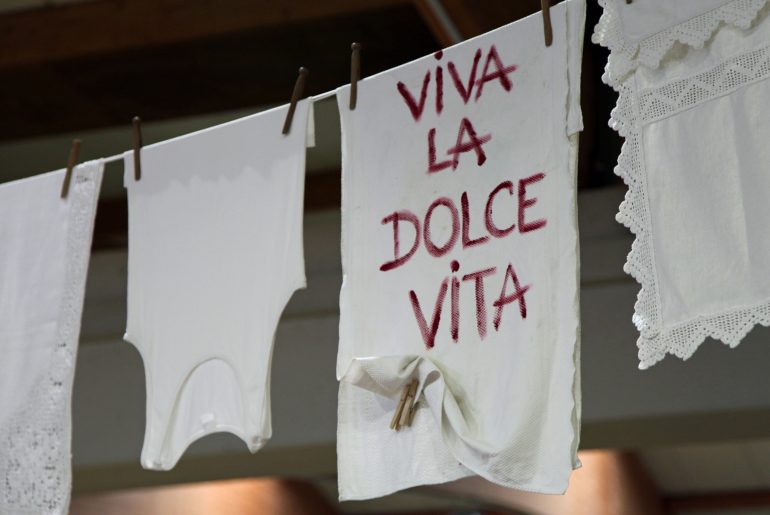
-Italians have certain habits down to an art. It’s not a coincidence that every other country in the world looks at Italians with envy when it comes to living life. They definitely have defined and perfected a few phrases. “La dolce vita” (the sweet life) and “Il dolce far niente,” (the sweetness of doing nothing at all). Two quotes that define the Italian love for life and the recognition that constant running around and being too busy is not always necessary, nor is healthy.
italiabound.com relax italian style

Many foreigners may see that as being “lazy” but, considering the country and its peoples’ achievements over the centuries, that argument hardly stands. Maybe it wouldn’t hurt for others to adopt some of these habits, particularly when traveling in Italy. But hey, why not take it home and add it to your everyday life too.

-Italians don’t like fast food restaurants as they don’t give enough time to engage in conversation and enjoy the food prepared, which also means that they prefer eating in company. It’s hard to talk about the food if you are the only one at the table or if everyone is in a rush.

Ciao come stai? Let’s go for a caffe’

– Italians put so much emphasis on  general conversation. There is nothing more rude in Italy than to cross someone on the street and say “Hi how are you!?” And then just keep on walking (as we might do in North America). If you ask, expect an answer and a long conversation. People congregate on the sidewalks, in the piazza, under the portici or at markets. They always find a subject to discuss. They may just ask about family and life in general. So slow down and do enjoy the small things in life.
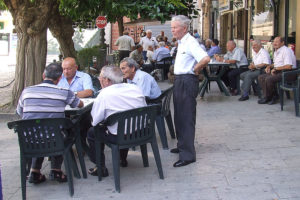
Italians al bar italiabound.com travel Palermo Italy

-Family is an important aspect of their lives. In some cases, no wage increase is enough to move away from close family. As I recall, a very good friend of mine refused a substantial wage increase because the heartache of his daughter being raised too far away from the grandparents just wasn’t worth the money or the 800 kilometre move. Life is too short, simply put.

 -Kids are brought up around wine and spirits and because of that they grow up with little interest in drinking. Since they don’t drink milk, juices or soft drinks at meals, often their parents may add a drop or two of wine in the water, but mostly they drink plain water. Children are always surrounded by wine, and often snob it as they get older.

-Children are in constant contact with adults. What I mean is that children are not overlooked when adults are invited to dinners or parties. Unless otherwise stated, expect them to bring their bambini to a friend’s dinner. If they show up without their kids, the host would be surprised and question why they aren’t present.


3 Unique Experiences of Art and Culture in Italy

Ciao Bella. Where are you going?

-Because Italians live in the cities and in apartmentrs, they love to spend their time outside. The weather is a big help, even in the winter. Spending time outdoors regenerates their well-being. Fresh air is a luxury when you live in the city and the outdoor is precious. It’s not difficult to find kids, elders and teens congregate outside and enjoy one another’s company in parks, on boulevards or in a piazza. Sunday is a family day and short trips visiting neighbouring towns for long lunches are quintessential for their dolce far niente lifestyle.  As well evening passeggiate, strolls to the town centres.

-Dressing up is very important for Italians. I read an article years ago that Italians are the number one buyers of signature clothing and like to show them off. Signature handbags are the number one accessory amongst women and wallets for men, mostly Italian designers, but not necessarily. If they are going to buy something, it’s going to be a renowned griffe.

…And just to be fair.

Here are some things that foreigners dislike, don’t appreciate or don’t understand about Italians. And why not? After all, not everything that glitters is gold, and even a wonderful place like Italy has its faults.  

-Noise. Italians are… noisy. They are loud, they yell. And not because they are mad or upset, but simply because they believe that yelling gets the point across better. They love the horn on their car. If it’s there, use it!. They love to use hand gestures when talking. It’s nothing personal, but to them it’s not rude to talk loud and with lots of hand and finger gestures.

Lets go for lunch

– Italians hate fast food, but tourists also dislike the fact that Italians take forever to finish their meals. Since they would rather take their time to eat, Italian life in general stops around lunch. Stores close for 3 or 4 hours during the middle of the day. Banks stay closed until 4pm and even gas stations shut down for lunch. Of course restaurants are open, but only until 2:30pm. If you choose not to eat during that time, you’ll have a difficult time finding a restaurant that is open.

It’s closed? Why is it a holiday?

Tourists, especially North Americans, want everything at their finger tips. In Italy, it doesn’t work that way. Restaurants close at 2:30pm and don’t open again until 7 or 8 pm. Stores, boutiques, banks, government offices, gas stations and even factories all close down for lunch and some don’t even reopen in the afternoon.

Naturally, if you are in an area with lots of tourists, you will have everything at your fingertips.  Everyone caters to tourists and almost everything is always open, but is that really the Italy vibe that you are looking for?

Two sunny side up please. Or not!

-Foreigners dislike Italian choices for breakfast. Lunch is the biggest meal, there is no need for a massive breakfast. Unless you are staying in a franchise hotel where continental breakfasts are served, many places will offer a cappuccino with a few different white flour breads with jams, cookies or brioche and that’s it. Bars or caffè will serve pastries and maybe panini in the morning, but if you are looking for bacon and eggs, well… good luck.

-Italians are romantic people so don’t be alarmed or offended if you see couples kissing and hugging in public on their Vespa or on a park bench. When young couples are in love, well, the whole world must know about it. At the same time, going for a passeggiata  with arms linked, is normal (even for guys).

-Smoking is one of those habits that Europeans do more than North Americans. Socially it is still not seen as a bad habit nor is it rude to light up in an outdoor restaurant. As someone who also does not smoke, I find it “not to my taste” but until laws change, there too, we have to endure this cultural habit.

Il Bambino is Bravo, No?

-“Kids rule and have little respect.” That’s what a few people have said to me about Italian’s kids. Yes, to a certain extent I have to agree. Kids are raised by their parents and grandparents to be the centre of the world… well maybe the universe.

Family adore, love and spoil  their children to the point that they can do no wrong and the grown ups seem to always find an excuse to justify their behaviour.  Italian kids are the only ones that I can think of that have no problem mingling with adults and chat up a storm without any shyness nor problems.

Nonetheless, they are respectful and talk to elderly people with respect and politeness, but maybe with a loud voice.

You First?… No Me first…Ciao

-Line ups. They don’t like them. If they can sneak by you, they will. Whether it’s at the bank or at a red light.  If they are on some type of a two wheeler, then line ups don’t exist, nor traffic for that matter. Even 90 year old grandmothers, if they can sneak by, will do so.

So, now that you know a little bit more about Italians, you can head there and really enjoy the country and its people. Italy is a very friendly, hospitable and generous country with a few quirks. But then again, that’s why you are there; to enjoy and experience every aspect of Italians and Italy. And if those quarks weren’t there, well then you’d be in a different country.

‘Till then… Buon viaggio

Are  you travelling to Italy and are interested in my assistance, or would like to comment on my post?  Just drop a line below or contact me privately at info@italiabound.com.
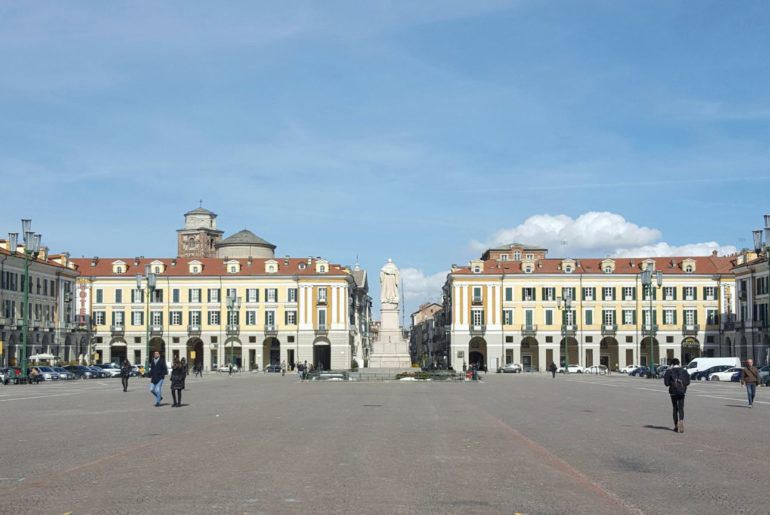
 

3 Unique  Experiences of  Art and Culture in Italy

If you are in Italy and you are looking for unique art and culture, it would be impossible to miss it. Italy is a open air museum and everywhere you go the ghosts of the past are all around you enhancing your experience. One not to miss.

Lets start:

1) Architecture. Art and Culture

The essence of art and culture. It’s everywhere, but sometimes overlooked or taken for granted, even the one dating back from before Christ.

From Roman ruins to Longobards Castles to Etruschian catacombs. The visual experience is endless when you travel throughout Italy, from one part of the country to another, based on who was the ruler or the invader at that time.

Italy architecture constantly changed with unique and refreshing art and culture.

Trieste, for instance, a city reminiscing of Vienna since it was under Austrian-Hungarian control until almost the end of the  18th century, contrasts from Torino with its French influence.

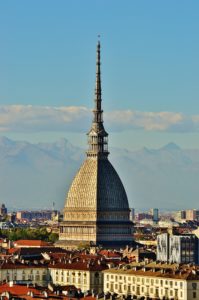
Torino Mole italiabound.com
La Mole Antonelliana di Torino

Torino was seized by Napoleon until its fall, or Napoli, which was contested between  the French and Spaniards dynasties basically up until the Risorgimento or unification of Italy in 1861.

What is amazing about Italy is the uniqueness of its architecture. It is worthwhile to pay close attention to all of its beauty as you travel across the landscapes.

To me a must see is the Reggia of Caserta. Royal Palace from the 18th century and now a UNESCO Heritage Site. Once the home of  Carlo III, Duke of Bourbons and King of the Kingdom of Naples. It’s the largest Royal residence in the world. Need I say more? A must see. reggiadicaserta.beniculturali.it

2) Museums, Art Show and Galleries.

It is well obvious that Italy itself is an open air museum yet you will find something under a museum roof that will excite and inspire you to search for more unique beauties in this amazing country. Italians thirst for art and culture allows for hundreds and hundreds of museums, art galleries and theatres to instil knowledge and entertainment. The museum choices are endless, whether it’s affreschi, paintings, sculptures, modern or antique furniture, or… Yes! Even racing cars. 

Museums are everywhere. And you need not be in a big center to take in any of that.

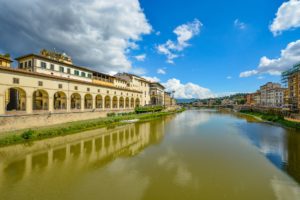
Uffizi Florence italiabound.com
Uffizi Museums in Florence

A must is the Uffizi in Florence   . And one of my favourites, ( although it has nothing to do with Italy) is the Museo Egizio di Torino. It’s the largest Egyptian museum outside Egypt. I need to go back there again. I just love it.

3) Archeological sites

In a Country rich of past civilizations it isn’t hard to find archeological sites to explore. Naturally the ones that come to mind are Pompei,  pompei.it , Ercolano ercolano.beniculturali.it and of course Rome itself.

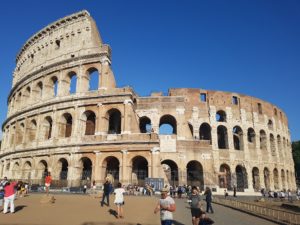
colosseo roma italia bound
Il Colosseo in Rome

In Tuscany or Umbria there are many  archeological sites of the mysterious Etruscan civilization. Particular the Necropolis of Cerveteri and Tarquinia  not to be mistaken for the Necropoli della Banditaccia also near Cerveteri. If you  have the time, you should see both.

Sicily, and  Calabria on the other hand are home of many Greek ruins such as  in the Valley of the Temples in Agrigento, where The Temple of Concordia reigns over the Sicilian island. A must see.

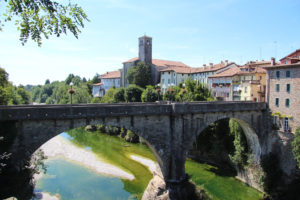
Aquileia, founded in 181 BC, in Friuli is rich in Roman ruins, ancient crypts and most recently a newly found Roman port buried under thousand years of dirt grasses and trees. Further north, but by only 40km,  is Cividale, founded in. 53 BC by Julius Cesar.

Ponte del Diavolo in Cividale del Friuli.

You can discover the history of the Longobardi. It’s path through different civilizations. Amongst many things you must visit the 3rd Century Celtic burial crept –Ipogeo Celtico- www.cividale.com deep in the undergrounds of the town. ( get the key from the restaurant next door or at the travel information center ).

What’s is amazing is that all are part of the UNESCO World Heritage Sites.

These among many others, are museum, cities and sites that I personally visited and enjoyed, but thousand more are there waiting  to be discovered by you. That is Why You Should  Go to Italy… It’s An Experience Not Just a Holiday.  And if you decide to head over to this wonderful country, I can help.

“Til then…Buon viaggio.

Are  you travelling to Italy and are interested in my assistance, or would like to comment on my post?  Just drop a line below or contact me privately at info@italiabound.com.
 

What You Need to Know Before Booking Your Accommodations in Italy

A Home Away From Home

Whether I travel with my family, a group or alone, farmhouses –agriturismo- are my favourite types of  accommodations in Italy.

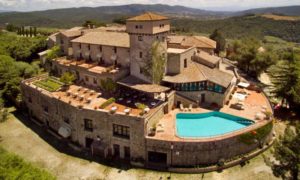
An Agriturismo as well as a Relais  such as the one below,  set the mood for any vacation. Imagine waking up in a century old villa, or spending some time visiting and even helping out on a working farm. Perhaps indulging in a spa in a XVI century castle.

No better accommodations than Relais Canalicchio
Relais Canalicchio. Beautifull relaxing stay in a very suggestive setting. A must when in Umbria

Beautifully attended rooms with all the amenities yet surrounded by farms, rolling vineyards or century old woods. Often prices are less than hotels and because you are in the outskirts of town you will feel more relaxed, alive and immerse. You’ll feel at home.


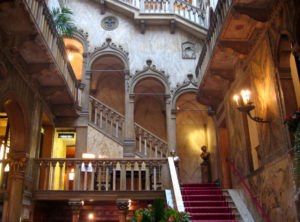
acommodations at Hotel Danielli in Venice
Majestic welcome at Hotel Danielli in Venice
Choose you accommodations wisely

Often you will need a car if you plan to stay in these places. If the plan was to only see Italy by train you’ll need to rethink your trip or your accommodations.

If you have no alternative but to use the public transportation, hotels in the cities are easier for your travels.

Some agriturismi may be able to shuttle you to town or lend you bicycles, but it makes it somewhat more expensive to only rely on shuttles and taxis to get to and from. Everything is possible but often it’ll come with a price.

Book Hotels in the City Only as a Must

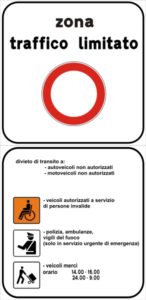
If you have a car on the other hand, I would discourage anyone from staying in hotels in the cities. Parking is at a premium. Most cities have ZTL (zones where traffic is limited) if not restricted all together.

limited transit city sign

The traffic itself is heavy even if you may know where you are going. Some hotels are in such old buildings that don’t even offer parking at all.  In most cases you book hotel through booking sites,  you find a great deal on the room but the parking costs are not mentioned. And, if they do offer parking, sometimes you may have to walk a few blocks to an authorized parkade. Street parking is impossible at best and you’ll likely get a ticket.

Florence for instance is €68 for a parking infraction. I once helped a client who at all costs wanted to stay in downtown Florence. I found the hotel for the price he wanted but the parking was extra- 35€ per night extra, at that time. The problem was also that the garage was quite far and the concierge had to book a pick up time at least two hours before my client needed the car. Hardly convenient, but like most centri storici (an old part of town) the buildings were built way before cars were invented.

Ponte del Diavolo in Cividale del Friuli.
Ponte del Diavolo in Cividale del Friuli. Narrow streets in medieval town

Other options of course are AirBnB and VRBO but even then if they are in the city core, parking may come at a premium. Plus, you have to pay in advance and often have no cancellation refund policies. Still, it’s a good alternative for some.

Things to Know Before Booking in an Agriturismo or Farmhouse

When planning your trip, check out the locations and areas you want to visit, and then find an agriturismo that is central, yet has all the amenities that you need.

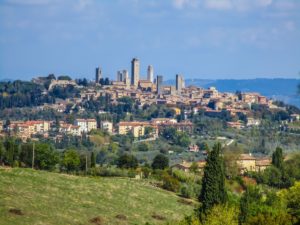
great accommodations in San Gimignano in Tuscany.
San Gimignano. Consider your interests when planning your stay

You would want to change accommodations as less often as possible on your holiday, so a well located place makes all the difference. Also, some places may require a minimum night’s stay. So, the more nights you stay, sometimes the lower the nightly rate.

Ask Questions

It’s also a good idea to check what’s included in the daily rate. At some places, the meals are included, and in others just the breakfast. Some are rooms only, others may offer full kitchens. If they offer meals, they may ask you in advance what your meal preferences are.

Once, I stayed in a farmhouse that included a full meal plan (breakfast, lunch, and dinner), and because we were sightseeing during the day they prepared beautiful lunches to take in beautiful picnic baskets. However, that’s not always the case. Always just ask first. And if you are planning to be away lots, maybe a half meal plan  or no plan at all is better for you.

Many places offer a lot more than a place to sleep. Research the agriturismo and see what else they offer. You might modify your stay because of the extra curricular activities that they offer. You’ll never know what they have in store for you. Cooking classes, horseback riding or even… picking olives.

Agriturismi are in the countryside and far enough from the centers that a car is necessary. If you don’t have one, make sure that they have a shuttle or some kind arrangement with a transport company. Tour guides will pick you up as well and I’ve arranged for bikes or mopeds to be delivered by rental companies in advance for customers to use.

Ask More Questions…

In many places, English is spoken very well. So although you can book online, I would recommend calling them personally and asking all the questions before booking. Because often, they are family owned and not franchises, the individual on the other line is always very helpful, as negative ratings don’t help their business. So, get acquainted with them. Sometimes prices are better when you call as opposed to simply booking online.

Your Holiday. Make it the Best Ever

Accommodations are a big part of your experience as well as a good chunk of your budget therefore spend the right enough time and money so that  your holiday is not ruined by it. The more you research the region and the type of accommodation the easier it is in the long run to enjoy a truly amazing adventure.

‘Till then… Buon Viaggio

Don’t forget to read other favorite posts from Italiaboud.com.

Are  you travelling to Italy and are interested in my assistance, or would like to comment on my post?  Just drop a line below or contact me privately at info@italiabound.com.
 

3 Things to Know About Driving in Italy

One of the top questions or concerns I get when people book their holidays in Italy is about traffic and driving in Europe.  Many people have heard of the Autostrada – the speeds, the fancy cars, and crazy European drivers – and are intimidated by the thought of having to do it themselves.

I’ve even heard many clients tell me that they will only take trains or buses as they did not even consider driving in Italy as an option given their fears.  This would be a HUGE mistake as not only would you be missing out on views you would not otherwise see, but also, you’d be missing out on some of the most unique adventures that you can have that you otherwise would not enjoy if you only used public transportation.

These are my top three tips for driving on the Italian highways:

Limited Traffic 

City centers are often closed off from traffic for environmental reasons. And those that are not usually have ZTL signs. That means area (zona) has limited (limitato) traffic (traffico) which means you need a pass to permit. Most GPS systems will tell you that.

limited transit city sign

In some cases only certain streets are viable and a wrong turn will net you a photograph and a fine. So for instance, Google ZTL Firenze and see the times, locations and parking that is available if you choose to go to Florence by car.

Gas Stations not Always Open

Gas stations are run just like any other business in Italy. They are mostly closed for lunch from about 12:30-3pm or 3:30pm. They are not open on Sundays or holidays. So make sure your car is filled on Saturday for instance. Automated 24 hour stations are available but make sure you have a 4 digit pin card (whether it’s a debit card or credit card). Cash is not a problem. You will need to spend some time figuring out the pump at the automated one, and English translation is not always available. The best bet is to go to one when it’s open and fill up there. Usually an attendant will fill it up for you. On the autostrada, stations are always open. Here, fuel can be more expensive and prices do very from city to city.

Rent a Car… But Be Wise

Visiting Italy by car is by far the best way to see the country. The one great thing about renting vehicles in Italy is that you can drop the car off in any other city within Italy and not have to pay a drop-off fee. In Italy, all rentals come with CDW coverage so you can’t take advantage of your credit card to cover that cost. Airport pick-ups have extra fees, so the best way to save some money is to figure out when you need the car and rent accordingly. For instance, you arrive in Rome Fiumicino airport and your plan is to spend four days in Rome and then head to the Amalfi coast for four more days.. Take a shuttle, a cab or Uber to your hotel in Rome. Rome is best enjoyed by foot and a car would only be an expensive inconvenience.

Use Train as Alternative

Train stations are always in the downtown of the cities therefore on your forth day you can  take the train to Sorrento and pick up the car there. You need a car for the windy Amalfi coast and the surroundings such as Pompei, Ercolano or Salerno. Using public transportation here would only add lots of time and extra expenses as well you would not be able to enjoy those sights at your own pace.

The savings are substantial. Just parking in Rome alone for four days could cost you €150. Unless there are four or six of you, the train to Sorrento is way cheaper than tolls, gas and time spent trying to get out the congested Italian capital. Since you are also renting the car in the city and not at an airport, you will be spared the extra airport tax that all rentals have. There is no tax if you drop off the car at an airport.

Unless you are renting a compact car most cars are diesel (gasolio). If you do have a choice, get a diesel car. The fuel is about 20-30% cheaper than gas and the mileage is much better. With my last car, I averaged about 5,5L per 100km or 43MPG. And at € 1.40 per litre, you would want good mileage

Check out my other post on the Italian autostrada  ( freeways ) for more insights on driving in Italy.

“Till then…Buon  viaggio.

Are  you travelling to Italy and are interested in my assistance, or would like to comment on my post?  Just drop a line below or contact me privately at info@italiabound.com.
 

What You Need to Know About Driving in Italy… Not so Crazy Drivers After All

I hear you are going to Italy this summer…. will you be driving there?”

“No way! They are crazy drivers over there.”

Not Really Crazy Drivers

It’s certainly fair to say that Italians don’t drive defensively, but to say they are crazy drivers is certainly overkill.

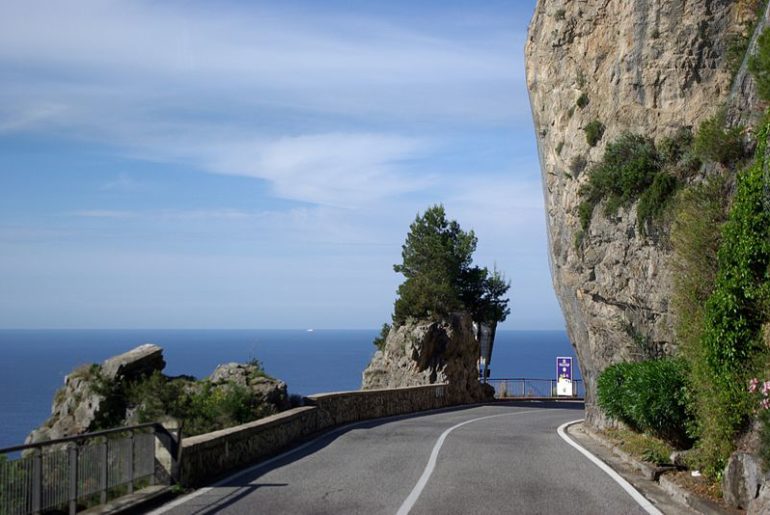
Not all Italian drivers are aspiring Formula One drivers and you will find all sorts just like anywhere else in the world. I think what makes tourists a bit squeamish about driving  there, is that it isn’t so much the drivers on the road, but the roads themselves and the country’s landscape. Italy can put a road where only Italians can see it fit.

Driving in the country, you’ll notice beautiful landscapes, but paying attention to the roads is a must, as often they serpentine through fields of poppies or lavender while climbing to small towns that don’t even seem to have roads- just very narrow mulattiere (old mule trails that are now paved).

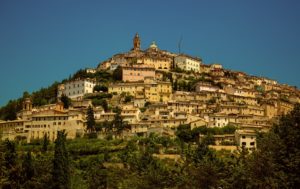
Italian medieval town on top of rocky slope
Medieval town on top of rocky slope. Are there roads there?

Towns that from a distance look as if they sit on top of a rock somehow have narrow streets that fit and run through them. Of course you also share narrow roads with a bicycle, a Vespa or motorcycle, which tend to pass cars at any moment they feel like it- solid lines or not. Then, you arrive in a larger center of a town, only to find out that traffic is often limited or prohibited all together, especially in the centro storico (the historic part of the city or town). At least here you can walk and not worry about getting run over… But still look out for those Vespas!

Driving in Italy actually is very much like anywhere else in North America or Europe. They drive on the same side as the US and Canada. The rules are pretty well the same and although speed limits are in kilometres instead of miles, generally Italian drivers tend to respect the law as well. But really, the beauty of driving in Italy is the civilized way that they constructed their autostrade (freeways). Hands down, no other freeways are like the Italian ones. Even the autobahn fails in comparison. Yes, you have to pay for them, but here you get to enjoy reaching your destinations in no time.

The Autostrada…Italy’s Toll Highway
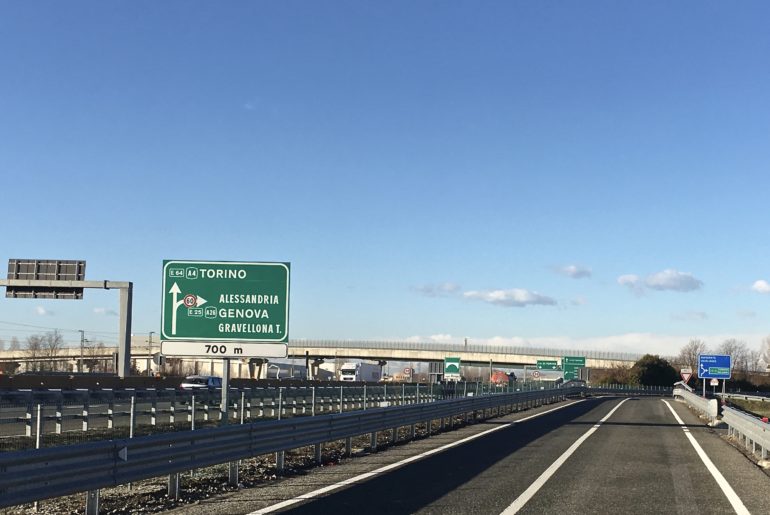
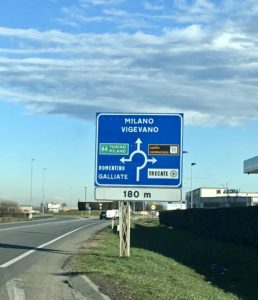
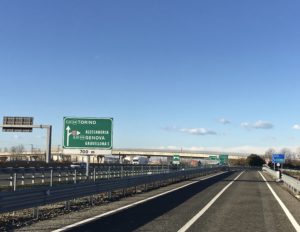
Easy direction signs

Firstly, all autostrade signs are always green, where as strada statale (state or other roads) signs are in blue. The casello (or tollbooth) is the only place where you can enter the autostrada and exit. All exits are always to the right and well indicated. When you enter the autostrada you take a ticket- it’s not likely you can enter without taking one anyways, as the arm will not lift and let you continue- but what’s important is that once you do take the ticket, you don’t lose it. You will be fined heavily. Just look for a sign that says biglietto (ticket) and the drawing of a driver reaching for a ticket.

Push on the big red button and a ticket shoots out. Once you enter the freeway, it’s like entering a race track. However, the similarities end there. There is a speed limit of 130 km/hr. It’s less in the tunnels (110 km/hr) and less yet if there is construction. Drive at your own pace as long as you follow the rules of the land. Another great thing about the autostrada is the constant signage telling you how far the next stazione di servizio (gas station) is, as well as signposts pointing out point of interest such as an XI century castle or a XV century monastery, for instance. When the exit sign is posted, you usually have another sign that points out all the other destinations when taking that particular exit. That’s very handy, because often the place that you are going may be on that sign although the exit itself may not be called that..

 Everything you Need in the Autostrada

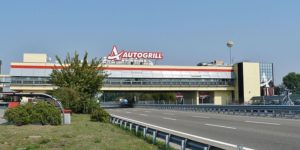
What’s great is that gas stations are just like a pits stop on a race track. Put your signal on, slowdown, stop at the pump, the attendees runs out fills the tank, you pay and you merge into traffic. It’s impossible to go in the wrong direction, unlike here in Canada and the states where you don’t have to leave the freeway and head out searching for a gas station. Incidentally, if you are using diesel, in Italy it’s called gasolio and gas is benzina or senza piombo. The gasolio handle is yellow but sometimes blue. Benzina is always green. But wait… although the pit stop can be quick, the best part of the autostrada is the pit stop itself. In particular, the Autogrill. Some are so large that they sprawl over all six lanes of traffic.

the ultimate rest area. Autogrill
Autogrill. Courtesy of Panoramio
Autogrill Driving Experience

Here you will find the opportunity to refill your stomach with great local foods, panini, pastries cappuccini and of course great local gastronomic gifts. Although Autogrill is a franchise and found all over the autostrada(e), they all have a distinct local feeling. For instance, if you’re driving through Emilia Romagna you will find Prosciutto di Parma or Culatetto, as well as other typical foods the area. But if you are driving in the vicinity of Trento in the north you will find Speck or maybe Pancetta Stesa e Affumicata on their shelves. These Autogrill are sometimes so big that they straddle all six lanes of traffic, with sit down restaurants, self service buffets and/or quick service grab and go eateries. It’s unlikely that you wouldn’t find something to satisfy your appetite, even if you are not hungry.

A couple of rules to follow: the parking lot is an ideal place for individuals who prey on tourists and on cars full of luggage, so pay attention to your surroundings. I’ve stopped at Autogrill probably a thousand times and nothing has ever happened, but I still check my surroundings every time and hide things visible in the car. I know it’s common sense but nonetheless worth mentioning.

How the toll System Works
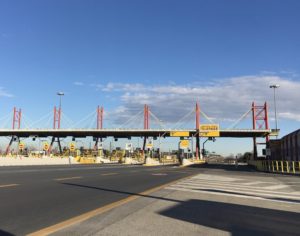
Toll booth on Italian highway
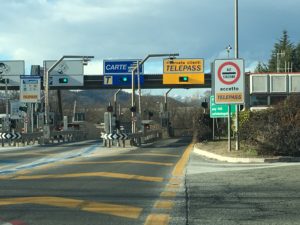
Toll booth before entering the autostrada

Exiting the freeway is quite simple. Look for signage above the tolls that say Viacard and/or Carte in blue (credit cards) or Telepass in yellow. Avoid the yellow painted lane directing you to the Telepass. That’s for those who have a device installed in their vehicles and are billed at home.

As a tourist, you likely have a car rental and won’t have that device. So avoid it and head for the one with Euro bills and coins on it if you are paying with cash or follow the blue painted lane with Viacard which accepts credit cards.

When you arrive at the booth, insert the ticket that was handed to you earlier, with the arrow pointing into the slot and then insert the credit card in the same slot. The machine will spit out your card so don’t panic. The bar will rise and a lovely voice will tell you “arrivederci.” If you want a receipt, press the button before inserting the card.

Tolls on a autostrada. The italian highway
Pay at toll when exiting the highway.
Know When to Choose and Limit the Autostrada to Save When Driving

Using the autostrada is not inexpensive. Budget 10-15 cents per kilometre travelled. The time that you will save is irreplaceable. For instance, the three hour drive from Florence to Rome on the autostrada equals to 8 hours if you decide to take the free Via Cassia or SS2 as you go into every little town and village on the way. You will hit all the lights and stop signs, roundabouts as well as dealing with traffic in general. The surroundings may be spectacular and the scenery breathtaking but… it comes down to time and what is more important. That’s usually where I come in with options and recommendations with clients. Sort of choosing your battles. Maybe dividing up the trip between autostrada and the statale (country roads) based on what you want to see, where you need to be and how much time you have at your disposal.

Also important to know, on the autostrada the gas stations are open 24 hours and 7 days a week. But in the city or throughout the countryside, they open at 7am, usually close for lunch 12:30-3 or 3:30, and close again for the night at 7:30-8pm depending on the season and the area. Often they are closed on Sunday, so filling up on Saturday if you are planning a drive the next day is a good idea. There are automated gas stations, you just have to spend some time trying to figure them out.

Clear signs make driving easy in Italy
Excellent Signs and well Marked Directions

Although traffic signs are pretty well the same as rest of Europe and North America, one thing for sure is that you can not turn right on a red light. Since they drive on the right hand side of the road, it eliminates the worry of figuring out the traffic flow and direction.

Another interesting thing is that on the autostrada police will often have the Tutor Speed Control System set up to catch speeders, but they need to “advertise” that they are there. Often you’ll see electronic signs warning that controllo di velocità” is active.( There will be a separate post on avoiding speed traps)

Polizia cars on duty always drive with their emergency lights on, so you can see them from a distance. It’s unlikely that they will pull you over. Usually they just pull up, enter your license plate in their system and move on. Tutor is the way they catch speeders. Also, as I mentioned earlier, tunnels have 110km/hr limits so those nice cameras often are set up just outside the mouth of the tunnel. Ideally you hit the brake just as you exit and you are good. Police will use the Tutor in the autostrade, and the autovelox system on all other roads. Just remember the speed limits and you are ok.

Stay in Your Lane and You’ll be Fine

Unlike North America, the lanes on the autostrada have minimum designated speeds. For instance, on a three lane the right lane is for busses, semis or any slow moving vehicle (maybe a motor home too). They can move to the center lane only to pass a slower car, but must return to the right lane right away. The middle lane is for anyone that is traveling at the speed of at least 90 km/hr up to 130 km/hr and the left lane is left for those that need to pass the middle commuters. DO NOT use a lane to the right to pass under any circumstance. The fines are high if not a complete license takeaway.

Headlights must always be on in the freeway and if it is raining heavy you should use the rear fog light. So as you read this, driving in Italy is not crazy at all. It’s simply a matter of getting used to their ways which are not so different from ours. For myself, I always rent cars when I arrive at airports,- make sure you have a international driver’s licence. You can easily purchase onet at any AAA or CAA agencies.

If you want to save money you can plan to rent cars only for the days that you must drive. Use the trains where it is most convenient. When I work with a client and we plan the trip, I always look at opportunities in minimizing the use of the car. Not so much because they are “crazy drivers” but because it can be expensive if not used wisely. Gasoline is expensive and also parking in major cities can be very expensive and hard to find. At the hotels downtown, I’ve seen parking as high as €50 per night so it would make sense to plan your car needs so as to avoid unnecessary expenses.

Check out my video 3 Things to Know About Driving in Italy.

. “Till then…Buon Viaggio

Are  you travelling to Italy and are interested in my assistance, or would like to comment on my post?  Just drop a line below or contact me privately at info@italiabound.com.