
Tag

Slider

Browsing

When Is The Best Season To Visit Italy

When is the best season to be in Italy?

 That’s the question that everyone asks me when we first consult. Italy is one of those destinations that is worth visiting all year round. 

Let’s try to break it down as every traveler has different dates available and certainly different interests.

Late Spring or Early Summer

My personal favourite, when I travel with my family, is late spring or early summer – particularly the month of June.

School is almost out. Kids are not missing much school and the weather is perfect. 

The not-so-hot weather allows for comfortable hiking, biking and sightseeing. Attractions are not as busy. We are even able to enjoy the beaches, the water and the sun.
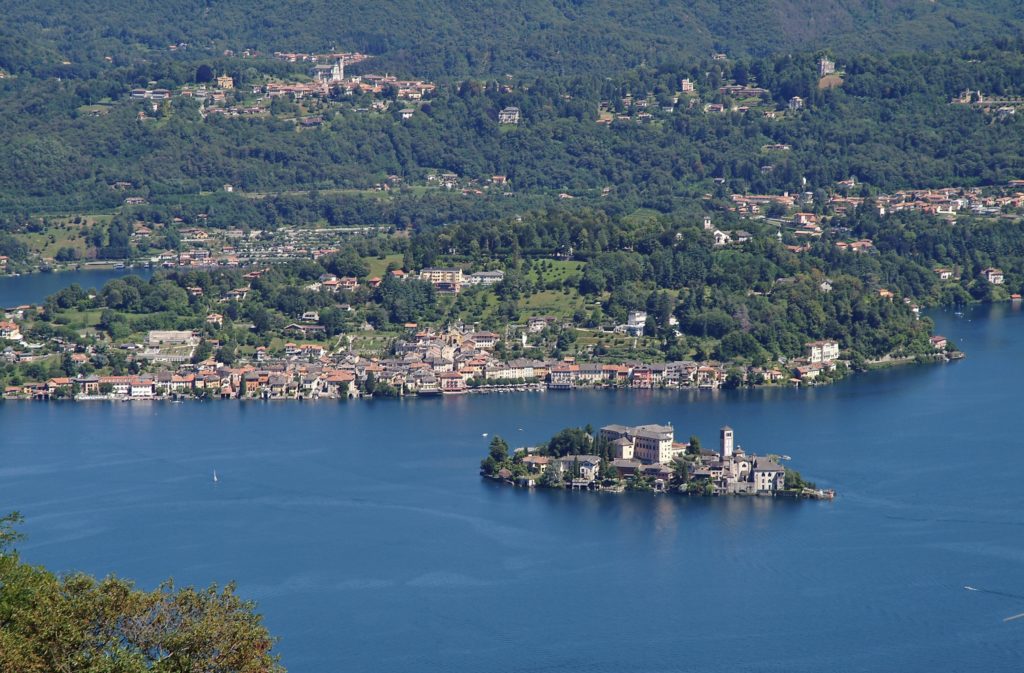
Lake Orta and San Giulio in the Province of Novara in Piemonte

Prices tend to be reasonable. Hotels and agriturismi have more vacancies and are more willing to modify dates, if needed, since the high season hasn’t arrived yet. 

L’ Autostrada (freeway), although always busy, is not overcrowded with tourists. Most Italians are still working at this time of the year. All the attractions, museums, castles and parks are open.

Visit my blog on 3 Thing to Know About driving in Italy to better understand the Autostrada

Early Autunno…Fall

That said, if I were to travel just with my wife or with an other couple I would opt for a late October, or early to mid November.  This particular time offers warm days for leisure and cool mornings for great walks, hikes and mountainous excursions.

You can also wander through the streets of sun-kissed towns without sweating and melting away. Touristy towns are less visited. Hotels and accommodations are not so difficult to find and, in case you want to add an extra night, hotels can easily accommodate you.

The changes in the season brings beautiful colours to the countryside. Fall is ideal for visiting markets and autumn sagre. The food, well the food is probably the best during this season. Local ingredients and specialties are highlighted in the fall food fairs. Naturally, there are plenty of regional wines to go with all of those fall hearty dishes.

It’s the perfect season to be in Italy and exploring its culinary specialties. Early morning walks through vineyards or chestnut-treed hilltops help melt away the extra calories consumed the night before.

Christmas Season

If you choose to go in December then your choices are endless. The south still has a warm, fall-like weather but the northern regions can offer more options between low-altitude, cooler temperatures and possibly even skiing opportunities further up the mountains and in the Alps.

Usually the good snow doesn’t come until late December or well into January, but if you are willing to climb enough you can come across ski resorts that are fully functional. 

Christmas markets or Mercatini di Natale adorn many mountain towns but major towns and cities do also a fantastic job in dressing their centri with lights and Christmas decorations.
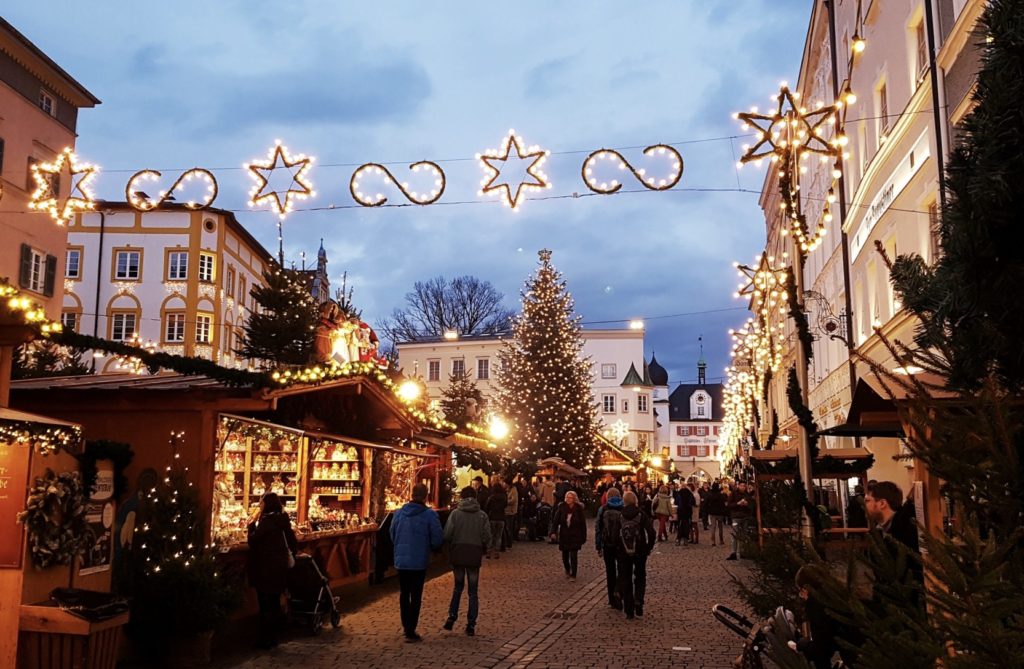
Natale Italia Bound, When is the best season to visit Italy
Christmas Market in the Trentino Region

The warmth of the Christmas Season is visible throughout the country. There is nothing more cozy than to sit and people watch while sipping on a hot, thick cioccolata calda at a outdoor caffè.

Inverno…Winter

As in most of the Western world, days are shorter in the winter therefore you do have a limited daylight hours for sightseeing. Start earlier in the morning. If you are driving you may want to finish your journey while it’s still light. That way you can get a bearing on your destination and surroundings more easily.

Italy in February? Be prepared for Carnevale – especially if you are planning to visit Venice. Book well in advance – even one year prior. Expect to pay top Euros for those rooms in Venice or Viareggio.

Check out my blog on What You need to Know Before Booking Accomodations in Italy, to help you sleep better .

Plan well in advance. Be prepared for snow as well in hilltop towns and mountain terrains. Don’t be surprised if some cities in Northern and Central Italy get the white stuff. In some cases, quite heavily.

Usually snow doesn’t last long, but can interfere with your plans. If you are looking for a milder, possibly snow-free holiday during those months, then head south to Sicily, Sardegna, the Amalfi Coast, Puglia or even Rome. 

Primavera…Spring

Spring in Italy brings the awakening of the country. It’s like opening all of your windows in the morning and taking in a deep breath of fresh air. Italy is one beautiful garden and no other season seems to bring that out like spring.

Il Bel Paese is rich in spring fairs, festivals and folklore events. All of Italy’s gardens are in full bloom. One of these is the Flower Show in Perugia inside the Giardini del Frontone, or if you are in Sicily, you can not miss the Tradizionale Infiorata di Noto. But those are just two of the many.

Because of the warmer temperatures biking, hiking are perfect activities if the sun is shining. Remember to bring along an umbrella because although the climate is milder it still rains at times.

In The Heat of Estate…Summer

That brings us to summer, mainly July, August and September. Summer in Italy is a frenzy of tourists from all over Europe and the rest of the world.

Add to the international mix, over 22 million Italians. Yes! One third of all Italians holiday in the summer in Italy so everything is more expensive and, naturally, busier.
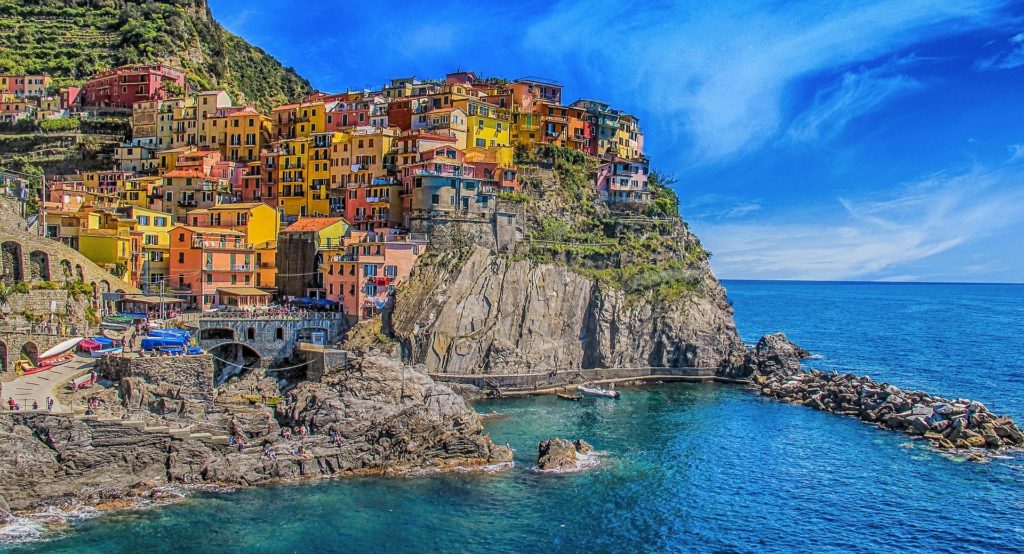
Cinque Terre Italian Beach
Cinque Terre

The good thing is that most Italians and many foreigners hit the beaches, therefore many areas with cultural interests are somewhat less busy. It’s also quit humid and hot so early morning excursions are the best. A late, late dinner is ideal.

Best places to visit in the summer are the beaches and those are all over the coast, but the lakes and mountains are ideal as the temperatures tend to be more favourable.

Cities such as Rome and Florence are hot and muggy, as I said, and there is nothing less appealing then slowly climbing the 330 stairs from the terrace to the Cupola of St. Peter Basilica while following fifty other sweating tourists.

Don’t get me wrong, it’s a must if you are visiting the Vatican. The Cupola is a masterpiece by Bernini and Michelangelo. (Both artists poured their efforts into its creation, but Fontana had to finish it as Michelangelo was already dead by then.)

It’s just that it would be more appreciated during a cooler month or, at the very least, very early on a hot summer day.

Anytime

Any time you have the opportunity to find yourself in Italy is a good time to discover this phenomenal country.  Regardless if you have one weekend or one month, Italy is a must. Each corner of the country will amaze you.

So pick your dates, book the flight, and go! You will not regret it and best of all, visiting Italy once will make you want to go back over and over again. 

‘Til then… Buon Viaggio. 
Local Dishes in Italy: 5 Things to Help Identify Them

Local Dishes, Local Dishes , Local Dishes

1- Savouring local dishes is a must when travelling throughout Italy. If you see dishes named after the towns you are in, you won’t go wrong. When in Milan, for instance a Risotto alla Milanese would be a give-away that it’s a local dish.

Val Sesia italiabound.com slow food local ingredients
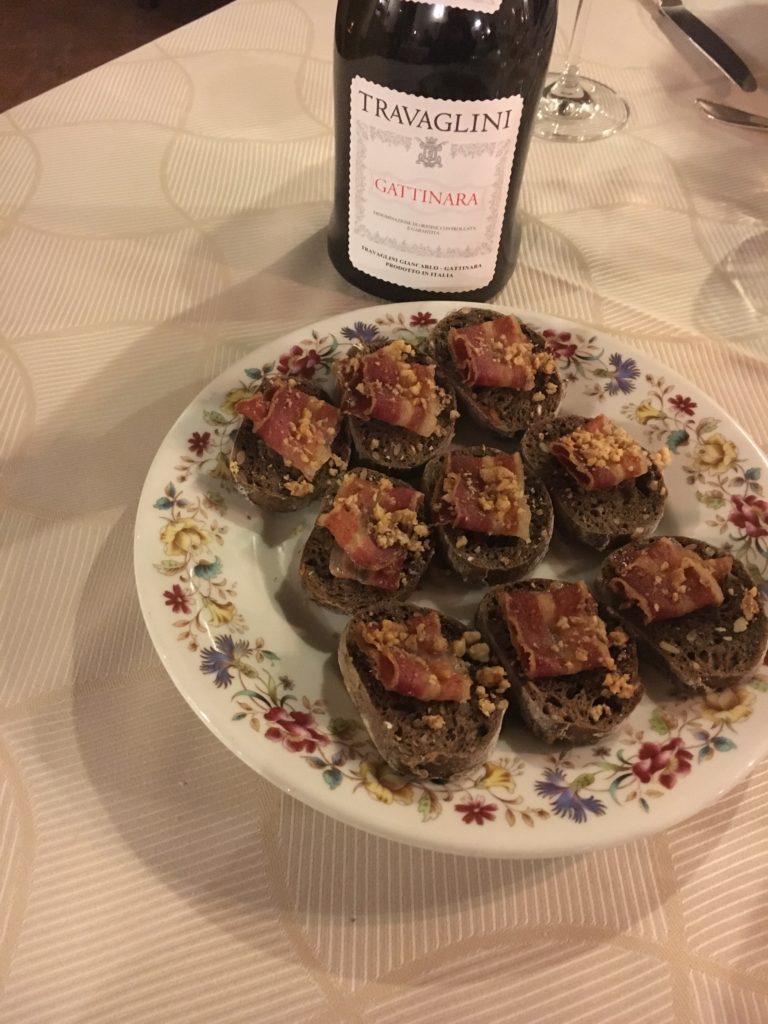
Rye bread tartine with lard, honey and nuts… and a bottle of Gattinara

2– Look in the menu for “piatti tipiciwhich means, “typical dishes”. Furthermore, if you dine at an osteria or trattoria, most likely, they would promote local dishes.

italiabound.com Il Cavenago slow food
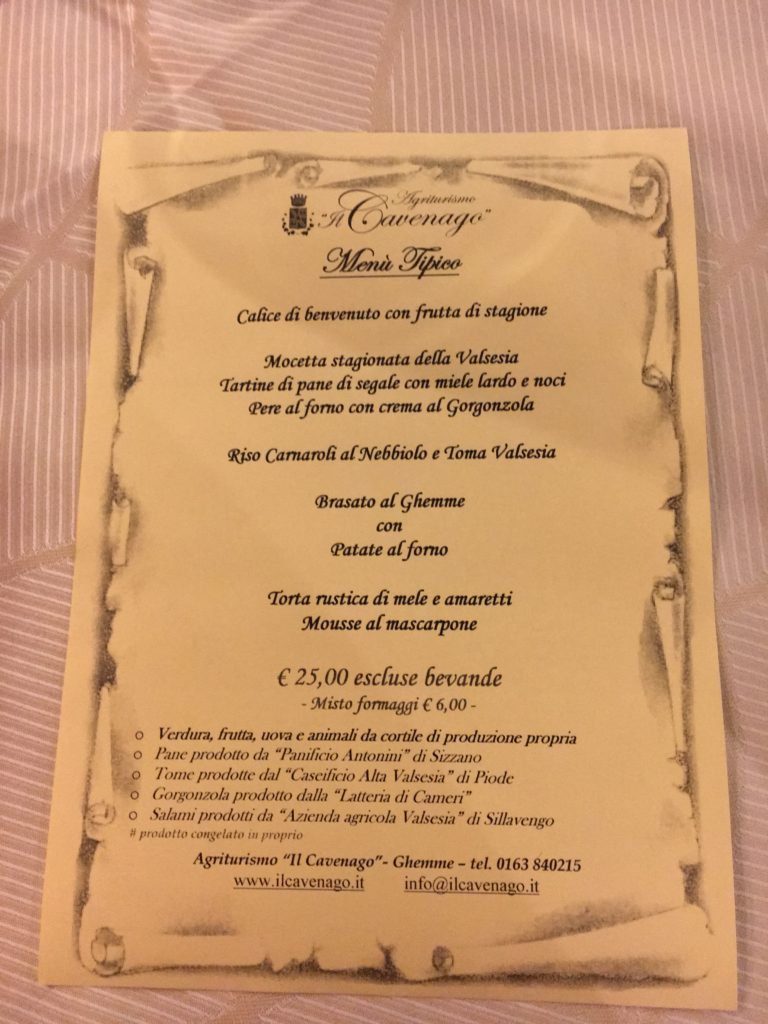
A menu promoting local producers, traditional ingredients and homestyle dishes at agriturismo Il Cavenago

Farmhouses Mean Freshness

3- Agriturismi are a guarantee for fresh, kilometre-zero ingredients. These farms grow the ingredients right on site. As a result, their neighbouring farms also often produce many of the ingredients for their menus, as the photo above illustrates. You can’t get it any fresher.

4- Look for DOC and DOCG wines. Hence, the origin of the ingredients is controlled and guaranteed. On the labels of cheeses and insaccati you’ll see the DOP stamp. Those ingredients are the best in quality, guaranteed and protected. 

You can purchase DOGC and DOP products anywhere in the world. Ask if a DOP product is local. If not, you know you’ll be eating quality products, just not from the area that you are in.

Read my blog on 13 Italian Cultural Habits... to above all, have a better understanding of Italian food culture, while travelling through Italy.

Markets and Festivals

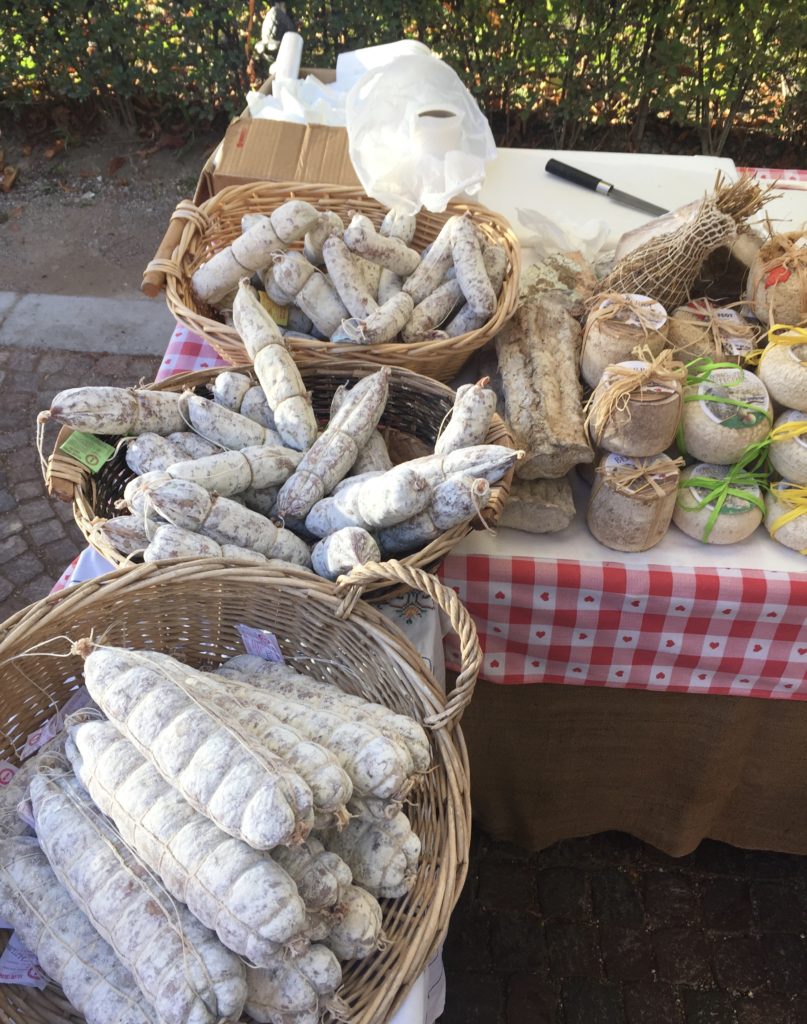
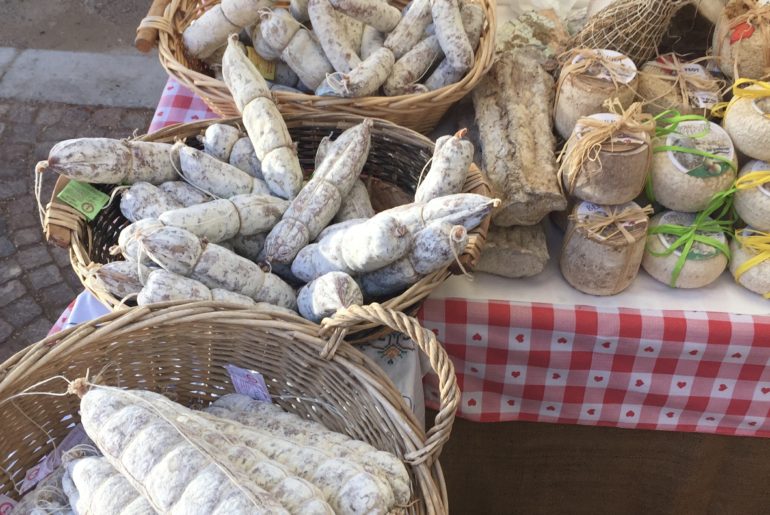
5- At a mercato look for seasonal vegetables, fruits. No one toots their own horn better than Italians do. As a result, local businesses and towns love to promote typical ingredients, dishes and history.

slow food Italy food culture La Morra Italiabound.com
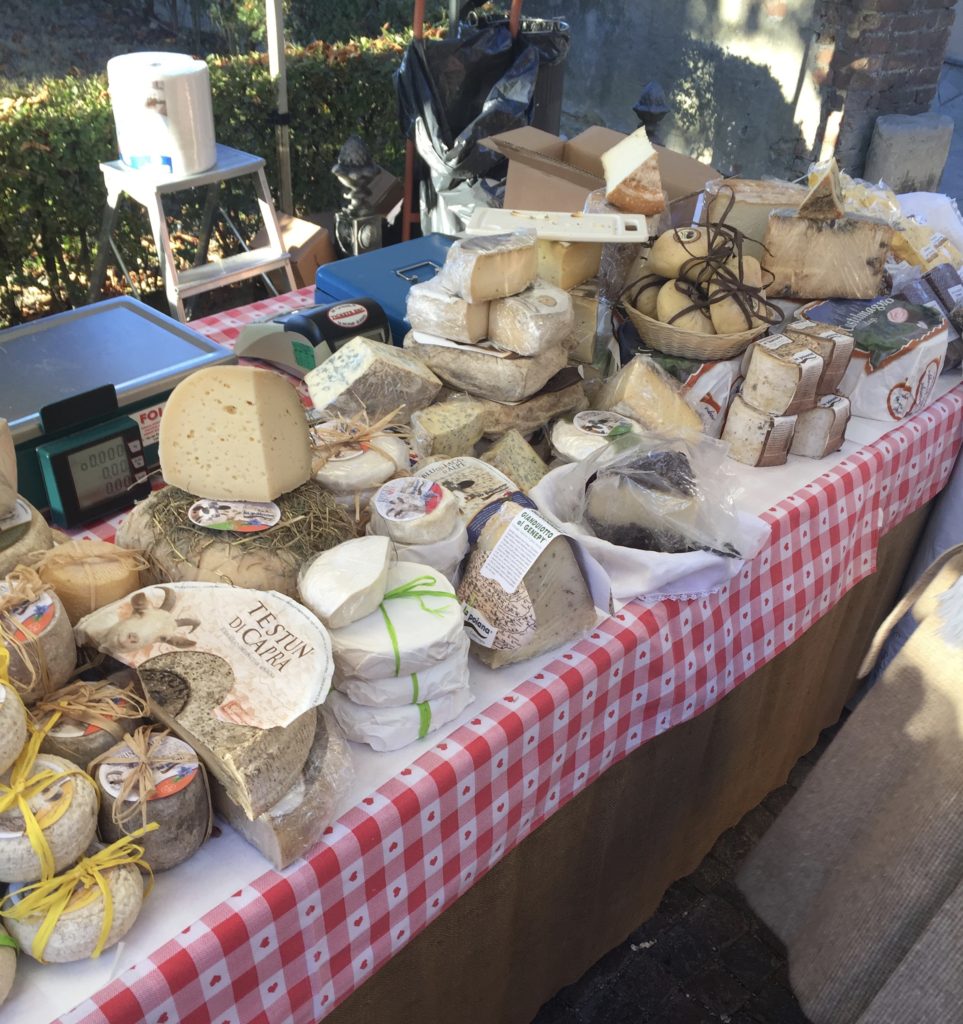
fresh cheeses at a market in La Morra in the Langhe

Bonus

6- Attend festivals or sagre in the areas that you are visiting. You may want to ask where and when these events are. Visit websites that promote these sagre. All over Italy, towns organize festivals to celebrate a harvest, a season, or a saint of some sort and therefore, will use any excuse to savour local traditional specialties.

Live Like the Locals Do

Tourists are not the only ones flocking to these sagre to try local dishes, drink local wines, and dance the night away. It has been an Italian way of life for generations.

One of my favourite hands down is Friuli DOC. This festival starts on the second Thursday of September. Over 100 000 visitors pour into the streets of the North Eastern city of Udine daily for four straight days to experience regional dishes, wines, spirits,  music, dances, and costumes.

slow food Italy food culture italiabound.com La Morra

Every piazza, viale, and roundabout has kiosks or tents sampling food from all over the region of Friuli Venezia Giulia. It’s an amazing event…and what an event it is. If you find yourself in the vicinity of Udine during  that week, you must take a detour and visit it at all costs.

The warm summer months bring people out to the many sagre. Italians spend  their weekends traveling from town to town in search of great food, wine, and folklore events. They definitely know how to celebrate life.

Eating fresh food and celebrating life is quintessential to Italians and probably the main reason for their existence.

If you interested in more information about Italy or help in organizing a trip there, please leave a message below or contact me privately at info@italiabound.com

‘Til then…Buon viaggio!

3 Things to Know about Gratuities in Italy… To Tip or Not To Tip

What about gratuities? Do I leave anything for the waiter?

How about gratuities? Clients often ask me that simple question. Its a cultural difference that we sometimes don’t understand.

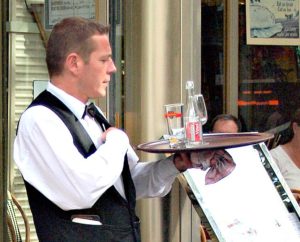
1- Gratuities or Tips are a personal choice that are always appreciated, but never taken for granted or expected. Unlike North America, tipping is not expected and it doesn’t go towards subsidizing an income that should have been taken care of by the employer. Italians are proud people and one mustn’t confuse gratuities with a hand-out.

italiabound.com gratuities waiter

The best way to know if you should leave a gratuity or not is to ask yourself the following question: Am I tipping because he or she provided an exceptional service and went above and beyond my expectations? If the answer is yes, then a token of appreciation can be left on the table. Nonetheless, it is not mandatory. It should be out the goodness of your heart and not what people will think if you don’t.


  5 Things to Know About Dining in Italy


Know Who You Are Tipping

2- You never tip the owners of the business, such as in a restaurant, a salon,  or mechanic. Nor you should give gratuities because you feel bad for that individual for doing his/her job. Again, Italians are proud, and if they feel you are tipping because they think that you feel sorry for them, then they may see this as an insult and just may refuse the tip. If they do refuse it for whatever reason, please don’t feel insulted. Understand it and move on. Don’t force it.

3- Waiters have a set salary, as well  as tour guides. I would recommend a tip of appreciation for guides for showing you the sites. Taxi drivers are on salary so there is no need to tip. In any case, you just round the amount to the nearest Euro or so.

Rome italiabound.com gratuities waiter

A Gift Goes Further

Bonus- In some circumstances, it’s more appropriate and also more appreciated to give someone a gift instead of money for having gone beyond the call of duty. That would be more for owners of businesses or maybe the manager or concierge of a hotel. If you stayed several nights there and they accommodated with concert tickets, museum passes or really good recommendations for restaurants, then consider it. If you take in a cooking class for instance as a token of appreciation such as a gift, it goes further than money since in most cases it’s the owner/chef that gave the course… And if the gift is from your country… better yet. Italians appreciate when individuals go out of their way to make them feel special or appreciated and sometimes money is not the only reward.

If you know that you may possibly be running in one of these situations, you could purchase something in your country and have it ready if needed on your travels.  If someone really did something great for you,  you can always send it once you returned home.

‘Til then…Buon viaggio.

Are  you travelling to Italy and are interested in my assistance, or would like to comment on my post?  Just drop a line below or contact me privately at info@italiabound.com.


COVID-19 Italy’s Sad Reality

It’s hard to talk about traveling in times like these. COVID-19 has hit Italy hard and every part of the world has been invaded by the virus. Even when you know that things will get better, in the back of your mind you know that things will never be the same. 

More so in Italy where human contact is so much part of everyday life. How will Italians rally back from this epidemic? How will they act around others? More importantly how will they be able to cope with the heavy loss of lives?

Why Italy is Hit so Hard

Italy has been hit hardest for many reasons. Two major factors are: 1. Italians have close contact with people in their everyday life and 2. Italy has a very large aging population.

First of all, kissing, hugging, connecting with people physically is part of everyday Italian greetings and life in both formal and informal settings. As well, most Italians live within walking distance of their work, or use public transportation to access their activities.

Here in North America, we leave our house, jump in our car and drive to work in our bubble. We then work and jump back into our cars to head to our activities or shopping before taking our protective chariot home where we stay for the rest of the evening.

In Italy, daily routines involve being amongst crowds of people throughout the day. Italians engage in tens of interactions with neighbours, small businesses owners and casual acquaintances all through their day in addition to regularly spending home time with extended family and close friends. Shopping daily for groceries at the neighbourhood food store, enjoying a quick espresso at a bar counter before work, or just chatting in the streets or piazza with passerbys – Italians live and love to socialize.

Secondly, Italy has one of the world’s highest percentage of seniors. Italy’s population in 2017 had 35% of people over the age of 65 – the highest rate in Europe. In the last 20 years alone Italy’s seniors grew in population percentage from 22.5% to 30%. Italy overall has a population of 60 million people, approximately 20 million plus, who are seniors – all living in a country the size of the State of California.

Loss of Grandparents

These thousands of seniors that are dying are not only a great loss to their families. More importantly they are a tremendous loss to the younger generations. These older people are grandparents, uncles, and aunts to million and millions of adolescents.

In Italy, grandparents, great aunts and uncles have always been there to be the bridge between youth and their parents.

In the last 30 to 40 years, the Italian lifestyle and culture has had grandparents come out of “retirement” and help raise the grandchildren.

Many of these golden age citizens move in with their own sons and daughters. They, at the very least, move close by and contribute in shaping these youngsters. These youngsters on the other hand are instrumental in giving the older generation a purpose and a sense of belonging. 

Life with Grandparents

I can look back at my youth and see how my grandparents shaped me. They educated me, played with me, shared their knowledge, and taught me to appreciate the generations before me.  

I can’t imagine my youth without my nonni. Today I am who I am thanks to them. Yes, my parents were there for me always, but my grandparents were essentially as important – a cornerstone in my growing years.

Many of days spent at my nonni house happened because my parents were working or traveling. My nonni were always there to help. I could write a book on my many days spent with my nonni. Oh the many adventures that I had with them! The places we visited, the fun we had together, and the traditions, discipline and respect that they instilled in me will forever be a part of who I am.  

Foundation of Upbringing

My nonni and their brothers and sisters were always around us kids, shaping us without us even knowing. The memories and the stories are the foundation of my upbringing.

To this day I phone my remaining great aunts and uncles in Italy monthly. Unfortunately, year after year there are less of them to call. At least I had decades of them in my life and now I find myself close to their children and their grandchildren because of that. 

Great Loss

The question now is: How will these children’s lives be different now that they have lost their grandparents or great aunts and uncles to COVID-19?  How will the Italian nuclear family function without the older generation to support them as they always have?

How will the final masterpiece differ now that key parts of the puzzle are missing? Where are they going to find answers? How will the new generations’ stories change now that they will not have the privilege of having their grandparents be a formative part their lives? 

Things will get better and Italy will overcome this epidemic too, but will things be the same? For Italy, likely not as their future has been altered when COVID-19 eliminated many of the people that helped shape its past. 

If you don’t know where you came from, how can you know where you are going? Your ancestors are your map. 

The next generation of Italians now face a challenge. How do they remember their predecessors and learn how to cope without them? Moving on is never easy. Even while things get back to “normal”, it certainly will not be the same. 

Langhe: Italy’s Best Kept Secret

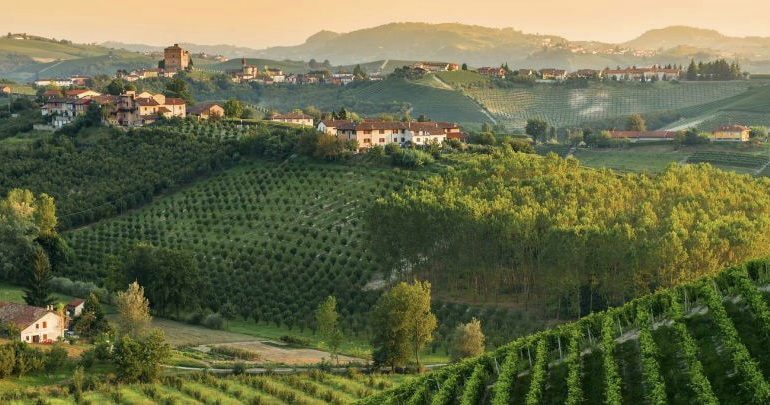
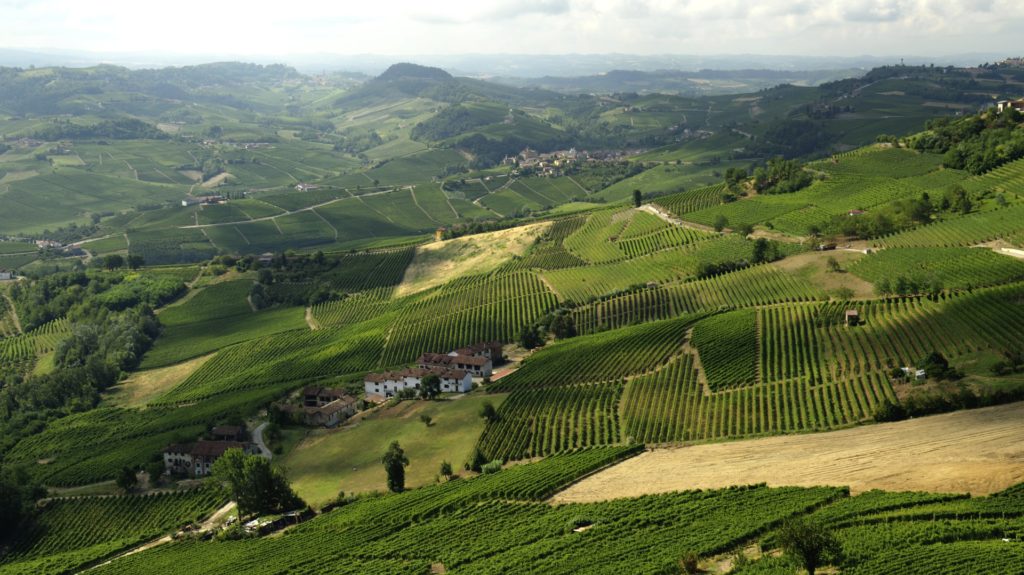
An incredible alternative to the Chianti area is Piemonte’s Langhe area. This rich wine region has everything that a tourist is looking for in a holiday. The Langhe area is first class in food, architecture, wine and nature. Barolo, Barbaresco, Dolcetto and Moscato are just a few of the many wines produced here and sold throughout the world. It is also an UNESCO  World Heritage protected region.

The Secret is out

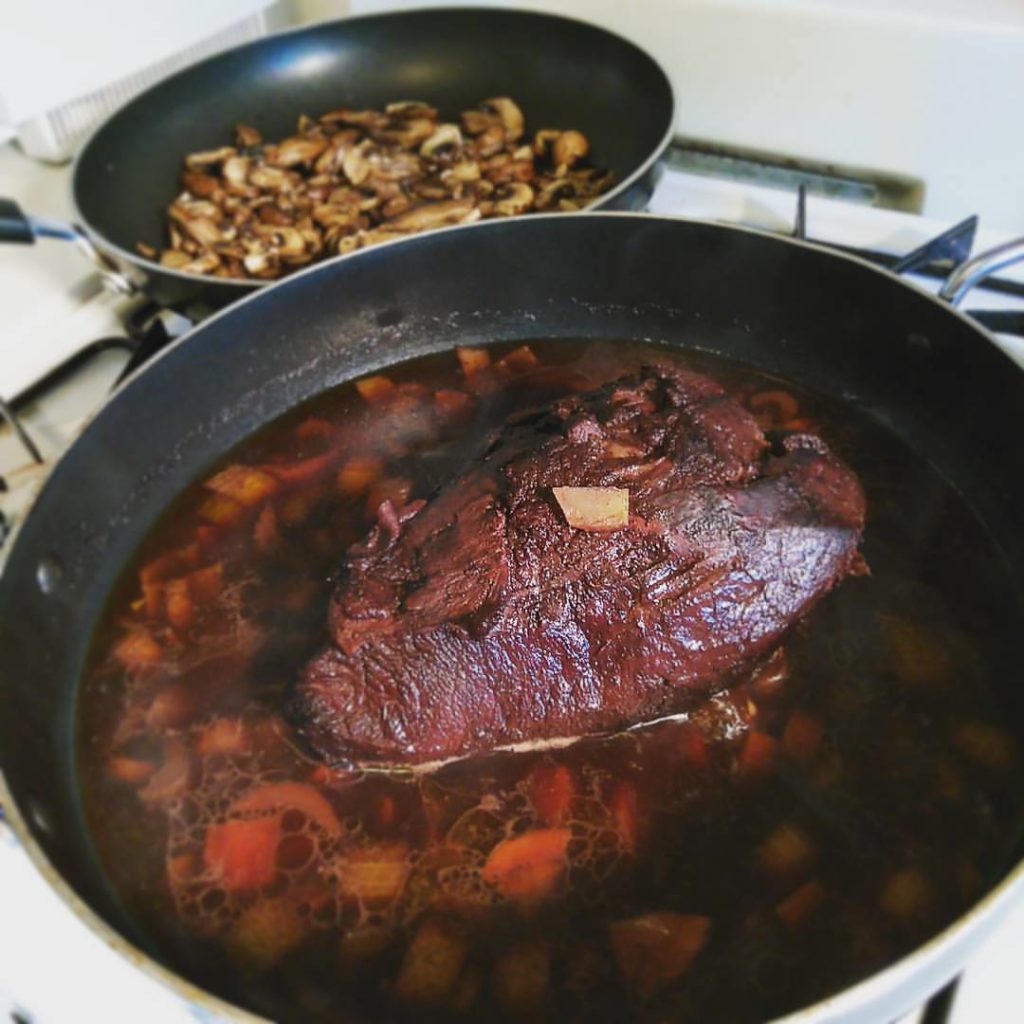
The hills around Cherasco were described by Napoleon as God’s gift and the food is second to none. Porcini, Truffles, Brasato al Barolo or Agnolotti del Plin are traditional, -must -try dishes when you are in the Langhe. But, don’t stop with just those.

art and culture, Piemonte, Italia Bound

I’ve known individual that arrive at Milan Malpensa airport, rent a car and head straight to Tuscany because they want to experience the Italian wine region, not realizing much closer is probably one of the most incredible wine areas in the world. Of course if you are going to sip wine you need good food and the Langhe doesn’t disappoint. 

Brasato al Barolo, Langhe, Italia Bound
Brasato al Barolo

Canelli is in the province of Asti, not even two hours south of Milan. Here your memorable journey will start. Great food, amazing architecture, beautiful landscapes, renowned wines, and not only.

Grappa Before Wine?

 The hilltop town is our first stop. Canelli is on the border between Monferrato and the Langhe subregions. As we  first stroll through this beautiful town we need to make a quick stop at the Pasticceria Bosca and saviour some of the best pastries in the area, possibly with a glass of Moscato. Famous brands such as Cinzano, Matini & Rossi, Gancia are all from here.

The best comes as we arrive at the Distilleria Bocchino. Here you can take a tour of the distillery and sample some Grappa of Moscato. Bocchino in 1898 was the first to make grappa piemontese from single origin grape thus making it not only particular but also celebrated. Today this 5th generation family owned distillery produces world renowned grappa. 

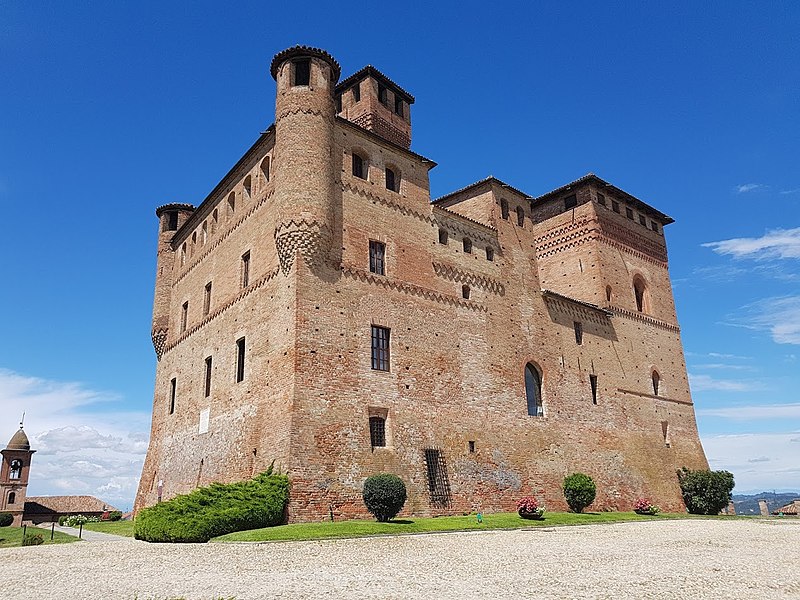
 Once back on the road, we head to none other than the town of Barolo. But, before approaching the town we will make a quick detour in Grinzane Cavour where its majestic castle overlooks the beautiful wine valley. 

Matteo Marra, Barolo, Langhe, Italia Bound
Matteo Marra, Barolo

Rolling Around

Off to Barolo for a quick lunch at one of its many phenomenal restaurants; my favorite being Matteo Morra. We then head 6 kilometres up the hill to La Morra where we stroll through Trails of Barolo to help us digest our latest culinary experience.

Architectural Wonders

We could be ready for a nap but instead we head to Dogliani. The Neo Gothic town, unique for this area, is a must for visitors. We will also visit the Bar Pasticceria da Cerrina for a caffè and fabulous pastries and then make our way to Cà Nueva. Here, the Abbona family has been producing wine since the 1800’s.

Several wines are produced at the azienda Cà Nueva and a tour of the structure and tasting is a great way to end a day after wandering through some of the best hills and valleys of the Langhe. 

Grinzane Cavour, Langhe, Italia Bound
Grinzane Cavour Castle

Relax and Re-charge

By now it is probably getting late so we head north to Alba where we can dine at one of the many restaurants or at my favorite; Boia Fauss Pensavo Peggio. Just the name is intriguing enough to make you want to try it. Later, sip the evening away as we recharge for the next day. 

Tomorrow is an Other Day

La Morra, Langhe ,Italia Bound, Italian holiday Davide Fattor
Barolo and the Langhe UNESCO Heritage

Alba itself is full day of exploring, and a must. Otherwise on to Bastia Mondovì and in particular the winery Bricco del Cuccù. If you do, and you should, ask to view the Chapel of San Fiorenzo. A rare sight of Goth Piemontese affrescos and view the famous affresco of the 7 Sins. There is more to see. Bra, Cherasco or the castles of  Serralunga d’Alba, and Roddi await us. Not to mention the many other towns, restaurants, shops, wineries and museums throughout the Langhe. 

This culturally rich region provides tourists, foodies, wine lovers and nature lovers some of the best kept secrets in Italy. The proximity to Milan, Turin, Genova and the easiness to access the small towns make the Langhe a must to any Italian itinerary. 

For ways to reach Italy check out my blogs on Getting Around Italy on Planes and Trains

Many thanks to Enrico of  http://www.langhe.net for his assistance and recommendations in creating this itinerary. 

Naturally this is only the tip of the “Langhe” iceberg and if you would like more information or help in organizing a trip through this region or any other part of Italy, drop a line here below or at contact me privately at info@italiabound.com

If you find this article useful please share it with your fellow travellers and on social media.

‘Till then…Buon Viaggio.